HK vs Singapore: A Tale of Two Cities in the Web3.0
April 17, 2023
Author: CryptoSherry
As a Web3 practitioner based in Singapore, I recently attended the Web3 Festival at HKCEC, a significant gathering of Web3 professionals from the global Chinese community. The innovative blockchain approaches demonstrated in Hong Kong left a lasting impression on me. While both Hong Kong and Singapore have robust digital economies, their paths to embracing Web3 are unique. Hong Kong's government has ambitious plans to promote Web3 and establish itself as a hub that can rival Singapore. As blockchain technology continues to gain prominence in the global economy amidst US-China competition, it is essential to examine the current state of Web3 in these cities, including the challenges and opportunities that come with it.
Background
Due to the current interest rate hike, the global status of the US dollar is declining and BRICS countries are proposing de-dollarization, which is causing a decline in China's US dollar reserves and pressure on the HKD. The blockchain has given rise to a free grey financial market in border areas, facilitating exchanges and coordination between competing camps. Therefore, an active blockchain digital economic industry is expected to emerge in the border areas of the competition between China and the US, with Singapore and Hong Kong staging a double city record of Web3. While both cities will regulate Web3, they are likely to have different approaches.
Hong Kong's Web3 is oriented towards transactions.
Hong Kong's Web3 market is focused on transactions, with liberal exchange services for established digital assets such as Bitcoin and Ethereum. However, ICOs and other funding activities are still subject to strict scrutiny. HK hopes to regain its position in the global financial market through Web3 development, but still faces challenges such as regulatory hurdles, limited awareness of blockchain technology, and competition from other technology hubs such as Singapore, South Korea, and Japan. Despite these challenges, Hong Kong remains an attractive destination for blockchain startups and investors thanks to its strategic location and strong financial sector. The government is actively promoting blockchain technology, positioning Hong Kong as a potential leader in Web3 industry. However, with the development still in its experimental stage. If it does not help Hong Kong achieve its expected goals over a period of time and even causes some risks and disruptive financial events due to poor regulation, it may reverse the decision-making layer's views and lead to policy fluctuations. Therefore, the government will maintain strict regulatory efforts to mitigate potential risks and avoid policy fluctuations.
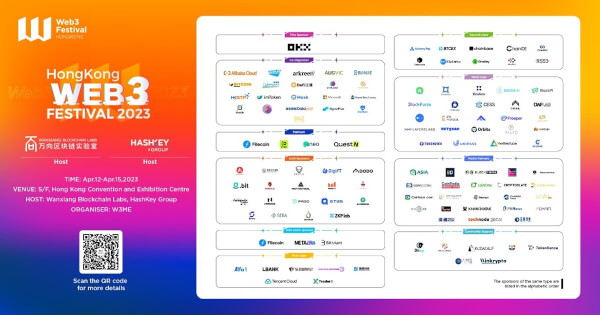
HongKong Web3 Festival 2023
Singapore's Web3 strategy is more stable and TradFi integrated.
With the US supply chain restructuring process, ASEAN countries remain a focus, enhancing Singapore's position as a global logistics center and strengthening its role as a regional financial center. With a winner's mentality, Singapore aims to become a dual center for global logistics and digital finance, focusing on real economy and TradFi integration, and maintaining stable actions. However, Singapore’s state-owned investor Temasek's losses from collapsed exchanges FTX have led to tighter regulatory stances on crypto in Singapore. Temasek wrote off its $275 million stake in now-bankrupt cryptocurrency exchange FTX.
Despite this, Singapore's crypto policy has undergone a full cycle, allowing the government to gain a comprehensive understanding of the potential consequences of cryptocurrency volatility. As a result, Singapore has established a more stable policy on crypto. Stable and neutral policy environments are favorable for crypto practitioners to plan their strategies, in contrast to a radical policy approach.
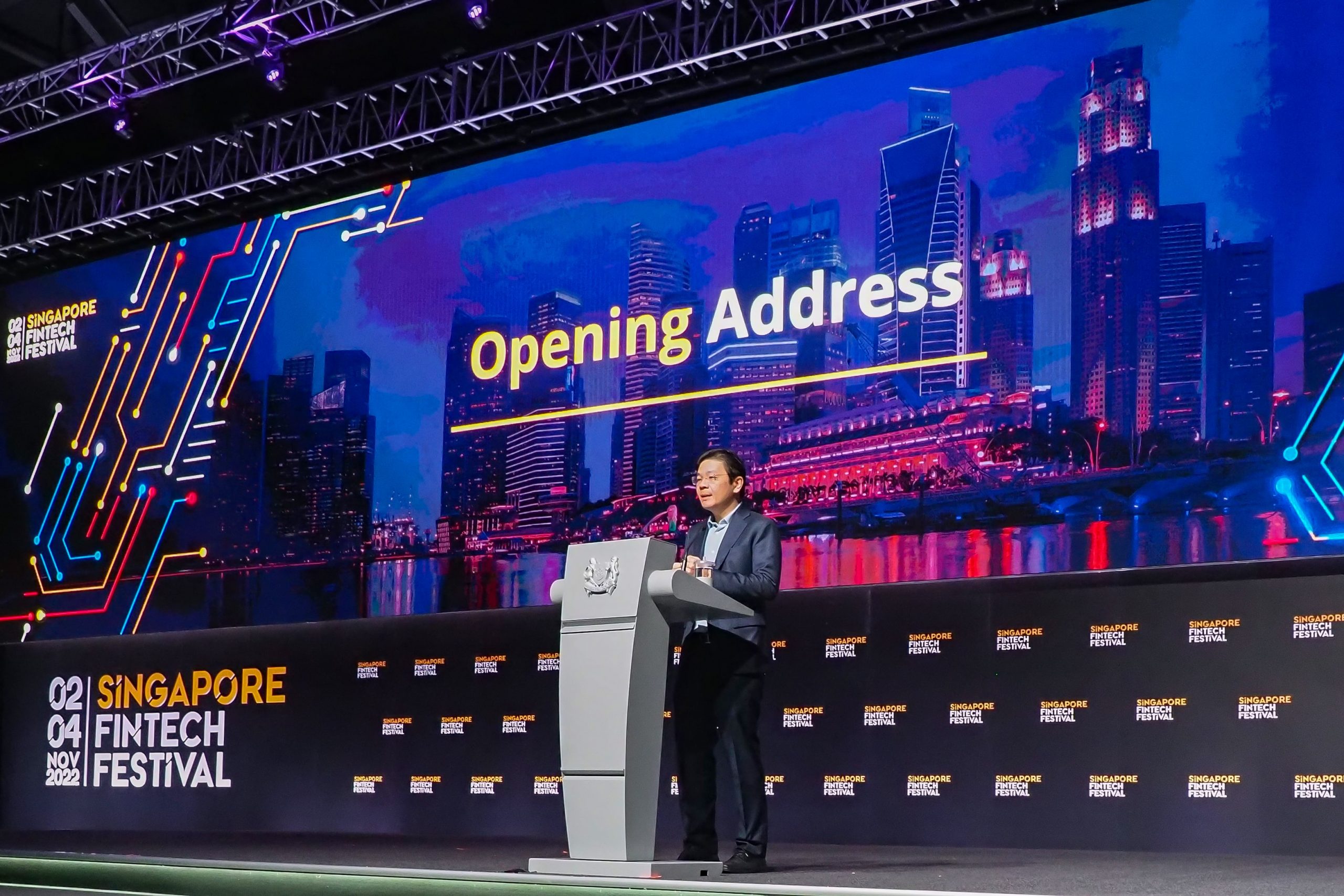
Singapore FinTech Festival (SFF) 2022
Commen weakness of HK and Singapore
It is clear that both Hong Kong and Singapore have a lot to offer the Web3 industry, but they also face their own challenges. The limitation of populations and tech development environment are two commen weakness of HK and Singapore. Both Hong Kong and Singapore are lack of local market, so they are not very likely to produce world-class Web3 social and gaming projects in the 2C category. In that case, they are both suitable to become headquarters centers, expanding into the Southeast Asian and Japanese and Korean markets to attract real users and trading volume, which is the real battleground. Similar positioning has intensified competition between Hong Kong and Singapore.
In conclusion, as the Web3 industry continues to mature and gain traction in the global economy, the competition between Hong Kong and Singapore as potential leaders in this field becomes increasingly intense. While each city has its own unique approach and challenges, they both have the potential to become headquarters centers and expand into the Southeast Asian and Japanese and Korean markets. As blockchain technology continues to reshape the world economy, it will be interesting to see how Hong Kong and Singapore navigate the ever-changing landscape of Web3, and how they continue to develop and integrate this emerging technology into their existing digital economies.